
Modern-day cookbooks have undergone a dramatic transformation as technological advances reshape how people discover, learn, and share recipes. The once-cherished tradition of flipping through heavy, stained pages in a printed cookbook is steadily giving way to digital cookbooks, food blogs, and interactive platforms. While printed cookbooks still hold nostalgic value for some, the reality is that for many home cooks and professionals alike, traditional cookbooks are becoming obsolete in favor of faster, more dynamic digital alternatives.
Decline Of Traditional Cookbooks
 One of the biggest drivers behind the decline of traditional cookbooks is accessibility. Digital cookbooks and blogs place thousands of recipes at a cook’s fingertips, searchable by ingredient, dietary need, cuisine, or cooking time. Instead of relying on a limited collection of physical books, users can instantly find inspiration online, often complete with step-by-step photos or videos. This immediacy aligns with modern lifestyles, where convenience and efficiency are prioritized in the kitchen.
Redefining Recipes
Technology has also revolutionized how recipes are taught and refined. Blogs and digital platforms often include embedded videos, adjustable serving sizes, and interactive timers that guide cooks through each step. These features reduce guesswork and improve success rates, especially for complex dishes or unfamiliar ingredients. For example, learning how to properly use specialty items like red alaea Hawaiian salt becomes easier when cooks can watch demonstrations, read cultural context, and access substitution tips all in one place. This level of detail is difficult to replicate in a static printed format.
Digital Adaptability
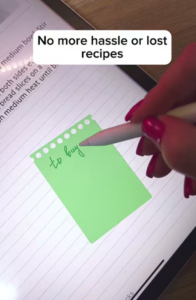 Another advantage of digital cookbooks is their adaptability. Recipes can be updated, corrected, or expanded in real time, ensuring accuracy and relevance. Food trends evolve quickly, and digital platforms allow creators to respond immediately to new ingredients, techniques, or dietary preferences. Blogs also encourage community engagement through comments and reviews, giving readers the opportunity to share variations or troubleshooting tips. This collaborative element transforms cooking from a solitary activity into a shared experience, something traditional cookbooks rarely achieve.
Sustainability & Longevity
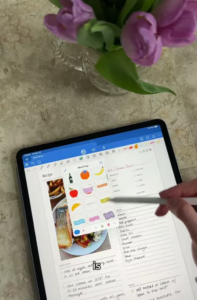 Sustainability and space considerations further contribute to the decline of printed cookbooks. Digital formats eliminate the need for paper, ink, and physical storage, appealing to environmentally conscious consumers and those living in smaller spaces. A single tablet or smartphone can store hundreds of digital cookbooks, bookmarked recipes, and curated collections, making it easier than ever to organize culinary resources without clutter.
Modern-day cookbooks reflect how technology has changed not just cooking, but how people learn and connect. While traditional cookbooks may still be appreciated as collectibles or sentimental keepsakes, digital cookbooks and blogs have become the primary tools for today’s cooks. With rich multimedia content, instant access, and ongoing updates, these platforms offer a superior experience for exploring flavors, mastering techniques, and experimenting with ingredients like red alaea Hawaiian salt. In the digital age, cooking has become more interactive, accessible, and globally inspired than ever before.